
Learning how to cope with losing a pet bird is one of the hardest things any bird parent will face. The silence where cheerful chirps used to be. The empty perch. The missing weight on your shoulder during morning coffee.
We know this grief is real, and we know it runs deep. If you're reading this, you're probably hurting right now, and we want you to know that's okay. This guide walks you through why this loss hits so hard, how to process your emotions in healthy ways, and how to honor your feathered friend's memory with love and intention.
Why Losing a Pet Bird Hurts More Than Most People Realize
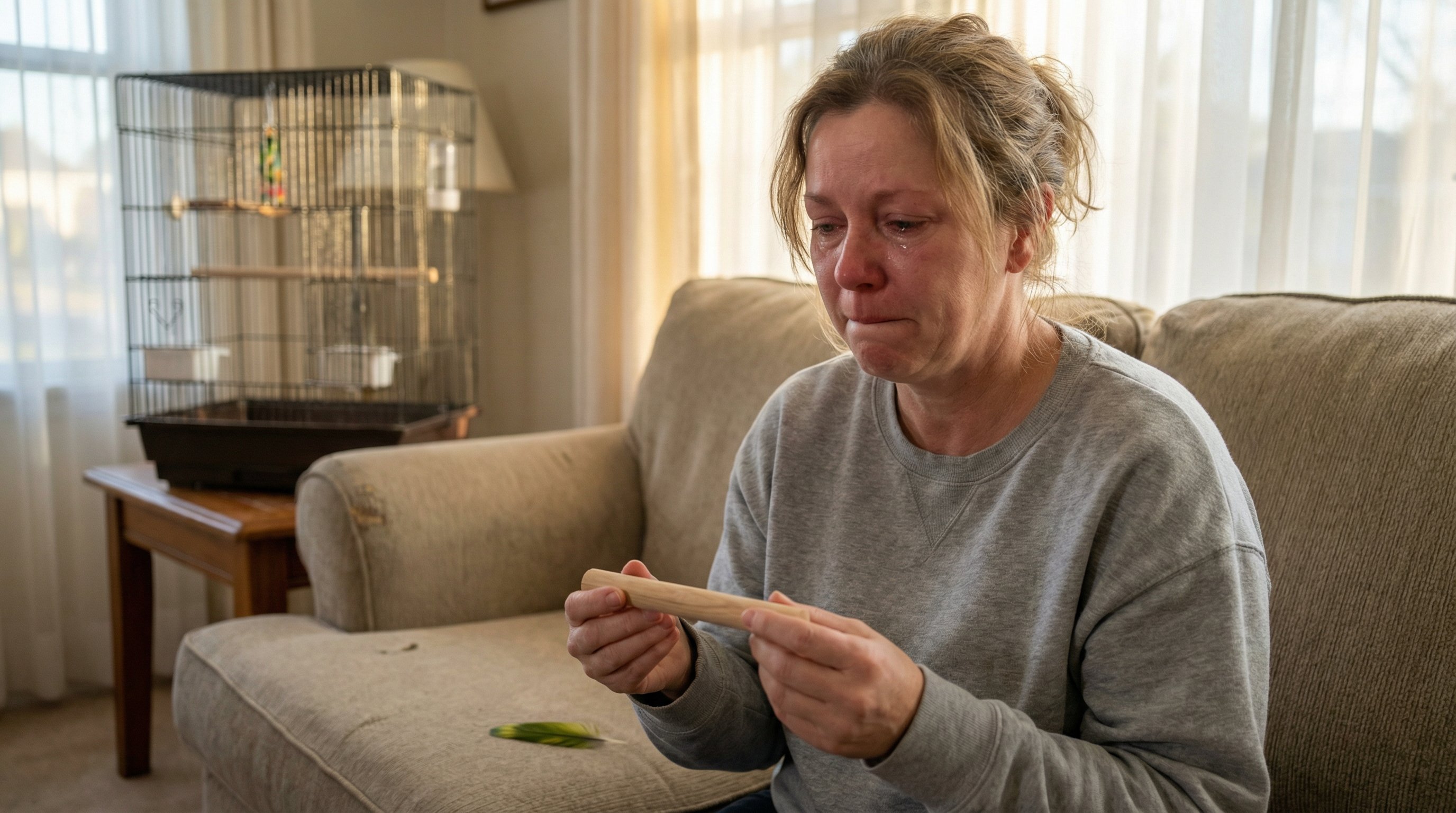
Here's the thing most non-bird people don't understand: pet birds aren't passive companions. They learn your voice. They call for you when you leave the room. They develop quirky little personalities, head bobs, favorite songs, opinions about which family member gets the best perch spot.
That bond builds over years. Sometimes decades. Parrots, macaws, and cockatoos can live 30, 50, even 80 years. When a bird who's been part of your daily routine for that long passes away, the void is enormous.
The Grief Is Real, Even When Others Don't Get It
Losing a pet bird triggers the same grief stages as losing any loved one: shock, denial, anger, depression, and eventually acceptance. But bird owners often face an extra layer of pain, isolation. Friends and coworkers may not grasp how deeply you bonded with your bird. "It was just a bird" is a phrase that cuts, and it's painfully common.
The truth? Your grief mirrors human loss. The sorrow, the stress, the emptiness, the vulnerability, all of it is valid. Your bird wasn't "just" anything. They were family.
Birds weave themselves into our routines in ways we don't fully appreciate until they're gone. The morning greetings. The background chatter while you work. The way they'd sit with you during quiet evenings. That absence creates a silence that's hard to describe to anyone who hasn't lived it.
So if you're feeling the weight of this loss more than you expected, you're not broken. You're grieving something real. And that's the first step toward healing.
Healthy Ways to Navigate Grief After Your Bird Passes
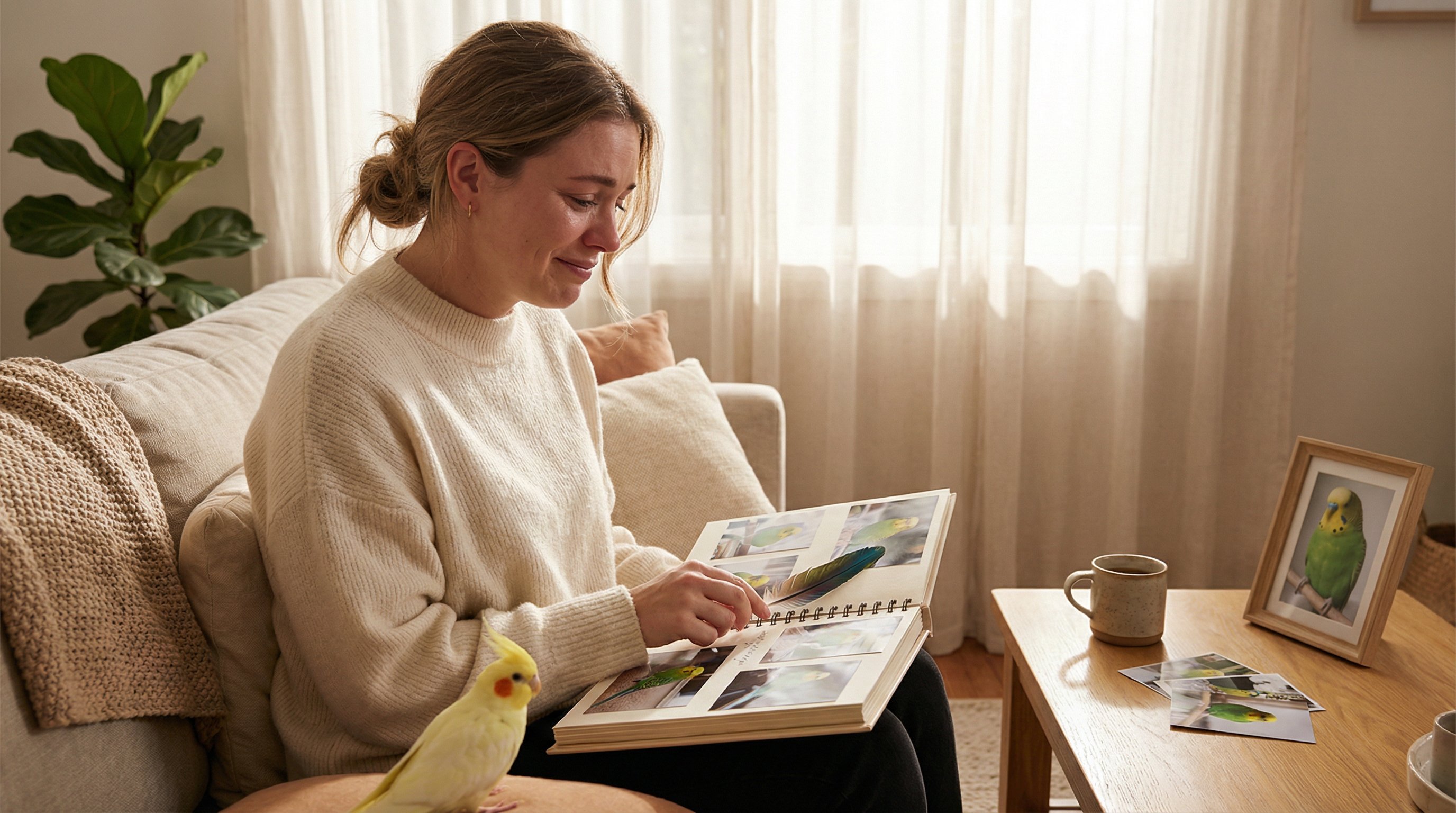
Grief after losing a pet bird doesn't follow a neat timeline. But having a loose structure can help you move through the hardest days without getting stuck. Here's a gentle two-week framework we've found helpful.
Week 1 (Days 1–7): Let Yourself Feel It
The first week is about giving yourself permission to grieve openly.
- Talk to someone who gets it. Share your shock with a trusted friend, partner, or fellow bird lover. If the people around you don't understand, that's okay, online bereavement communities like APLB.org offer real validation from people who've been there.
- Say your bird's name out loud. It sounds small, but it matters. Don't avoid their memory.
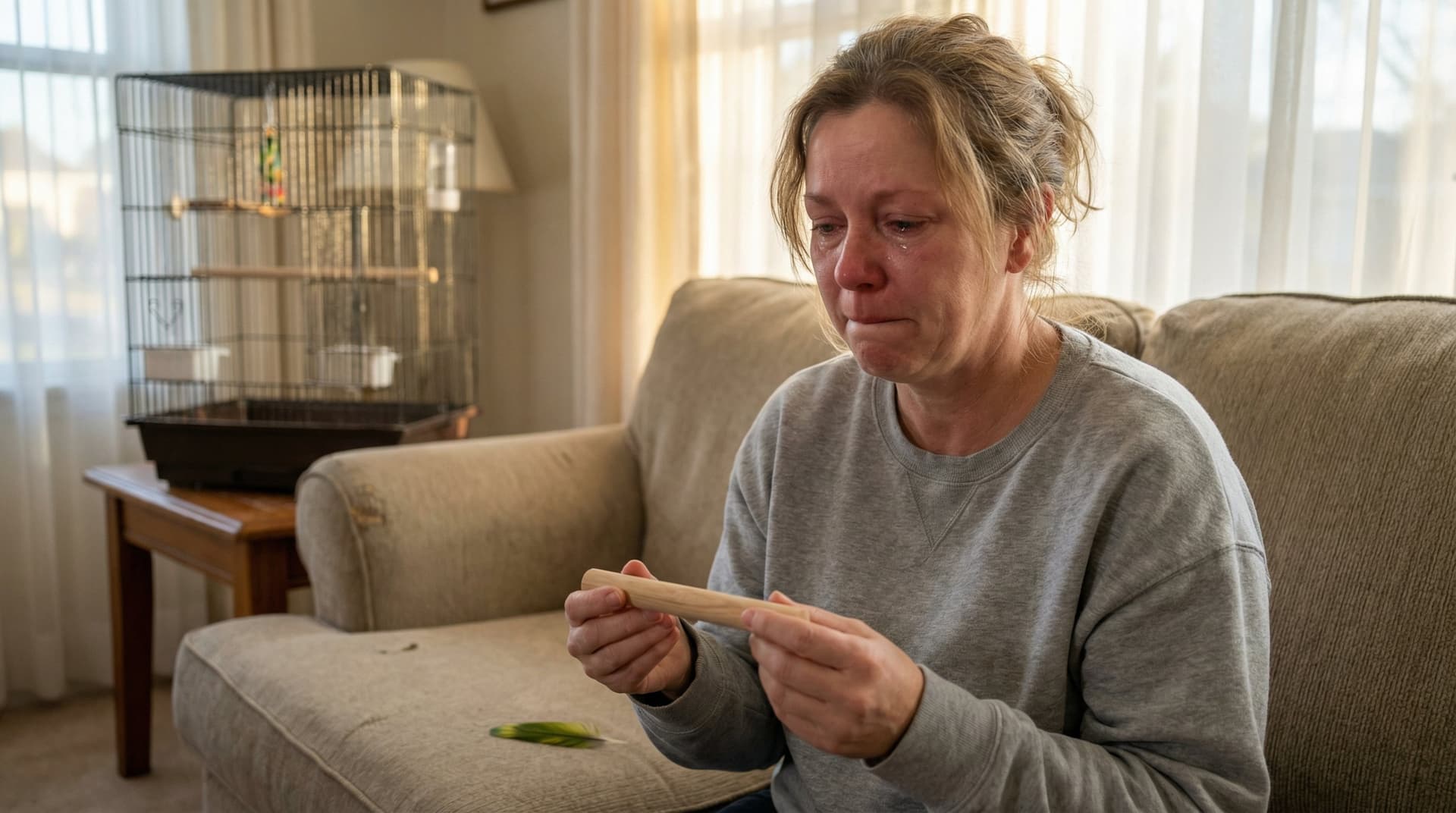
- Cry when you need to. Waves of emotion will come at unexpected moments, a feather found behind the couch, a song they used to mimic. Let it happen.
- Start a scrapbook or photo album. Gather your favorite pictures and write down memories while they're fresh. This becomes a treasure later.
Don't rush. Don't set expectations. Just survive this week with kindness toward yourself.
Week 2 (Days 8–14): Small Steps Forward
By the second week, the acute shock often softens into a duller ache. This is when small, positive actions help.
- Move your body. A daily walk, even 15 minutes, helps stabilize your mood. Fresh air does something for grief that nothing else quite matches.
- Try something new. Read a book, take a class, or pick up a creative hobby. Gentle distraction isn't avoidance, it's self-care.
- Volunteer at a bird rescue. Channeling your love toward birds who need it can be deeply healing. Many bird art community members have told us volunteering helped them process their loss.
- Remember with love, not guilt. Healing isn't betrayal. Smiling at a memory doesn't mean you've forgotten.
Don't Forget Your Surviving Birds
If you have other birds at home, they're grieving too. Birds are social creatures, and they notice when a flock member disappears.
Maintain their routines. Watch for changes in appetite or behavior. Give them extra attention. Some bird parents find it helpful to keep the environment stable, clean your lost bird's items gently rather than removing everything at once. Our custom bird portraits can actually help here, too, having your bird's image displayed nearby keeps their presence felt for both you and your surviving flock.
Meaningful Ways to Honor and Remember Your Feathered Friend
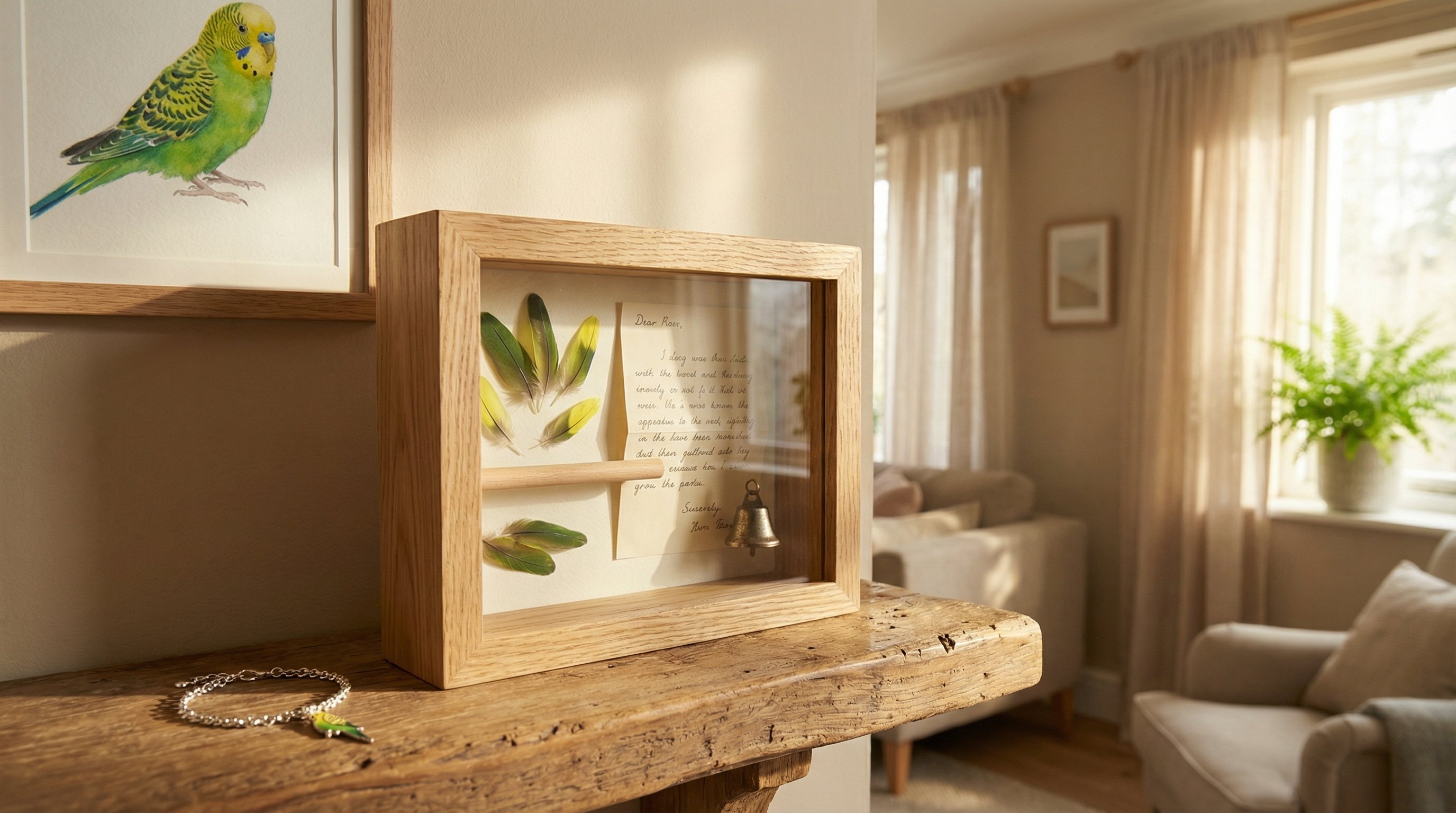
Once you're ready, creating a lasting tribute to your bird can be one of the most comforting steps in healing. It transforms raw grief into something beautiful.
Physical Keepsakes
There are so many ways to keep your bird's memory close:
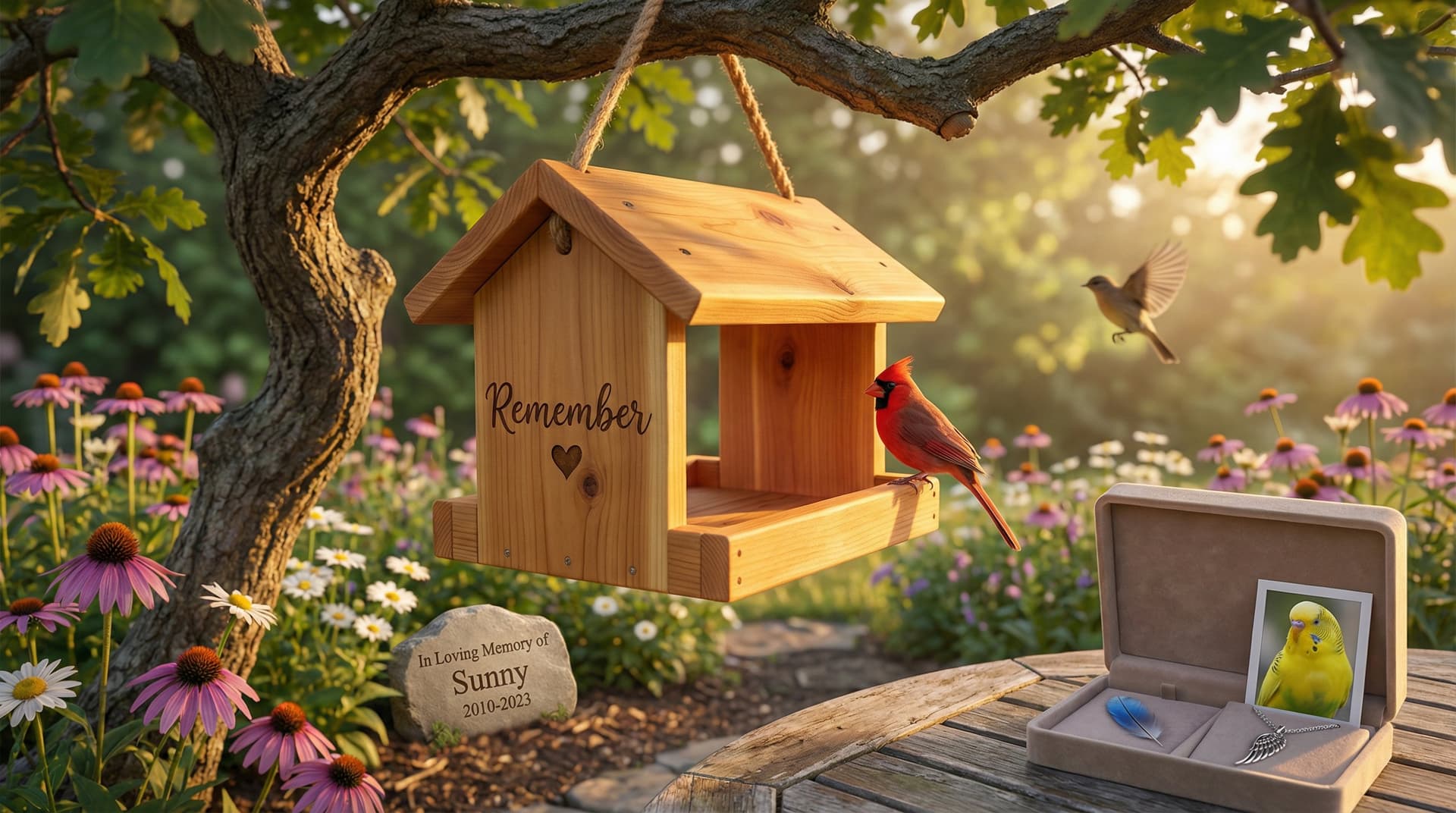
- Collect feathers and small toys they loved. Display them in a shadow box or memory jar.
- Create memorial jewelry using a molted feather or a tiny charm shaped like their species.
- Write a letter or story about your bird's life. What made them special? What were their funniest habits? Write it all down.
- Make a donation to a bird shelter or rescue in their name.
Turn Their Photo Into Art
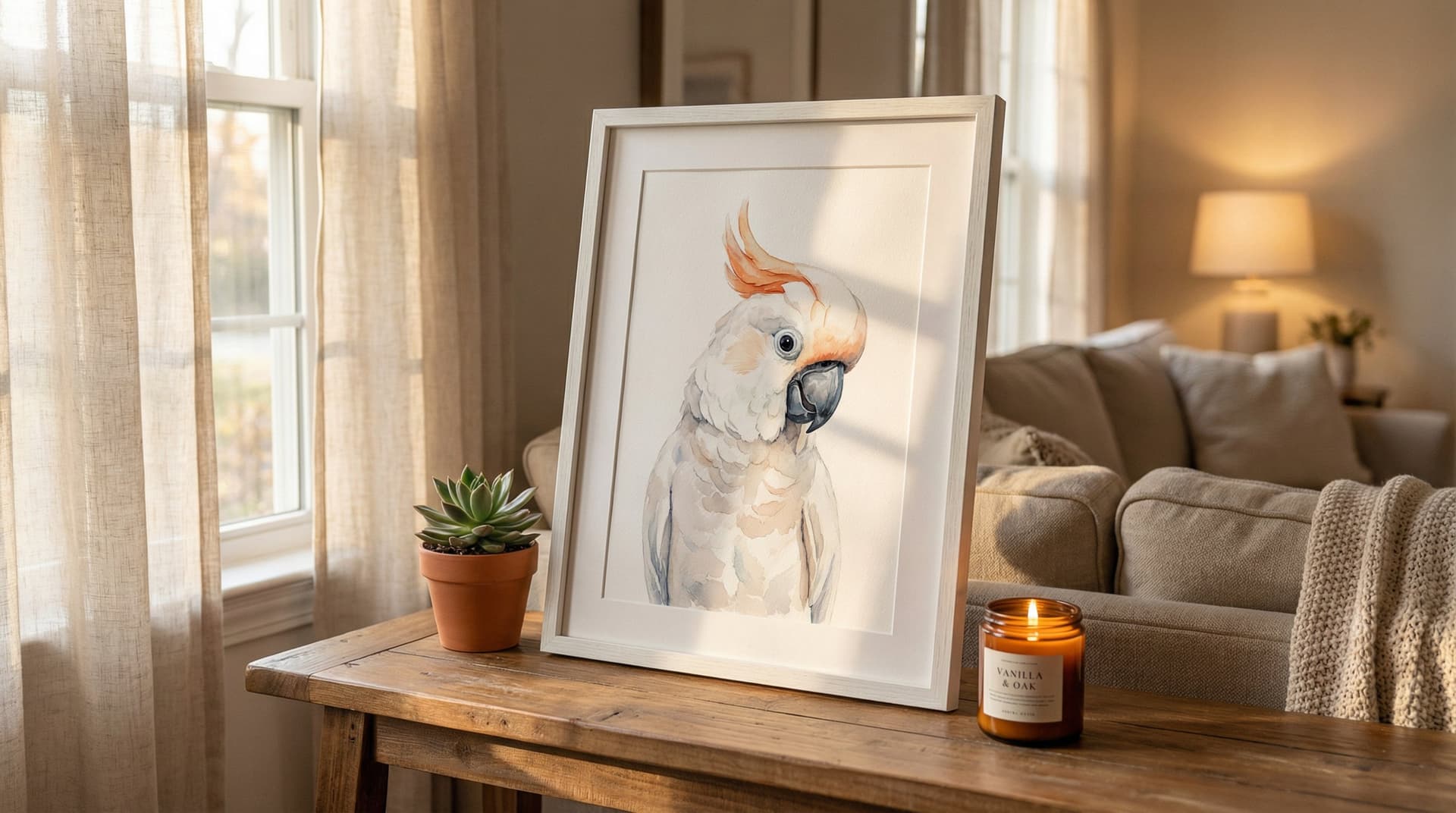
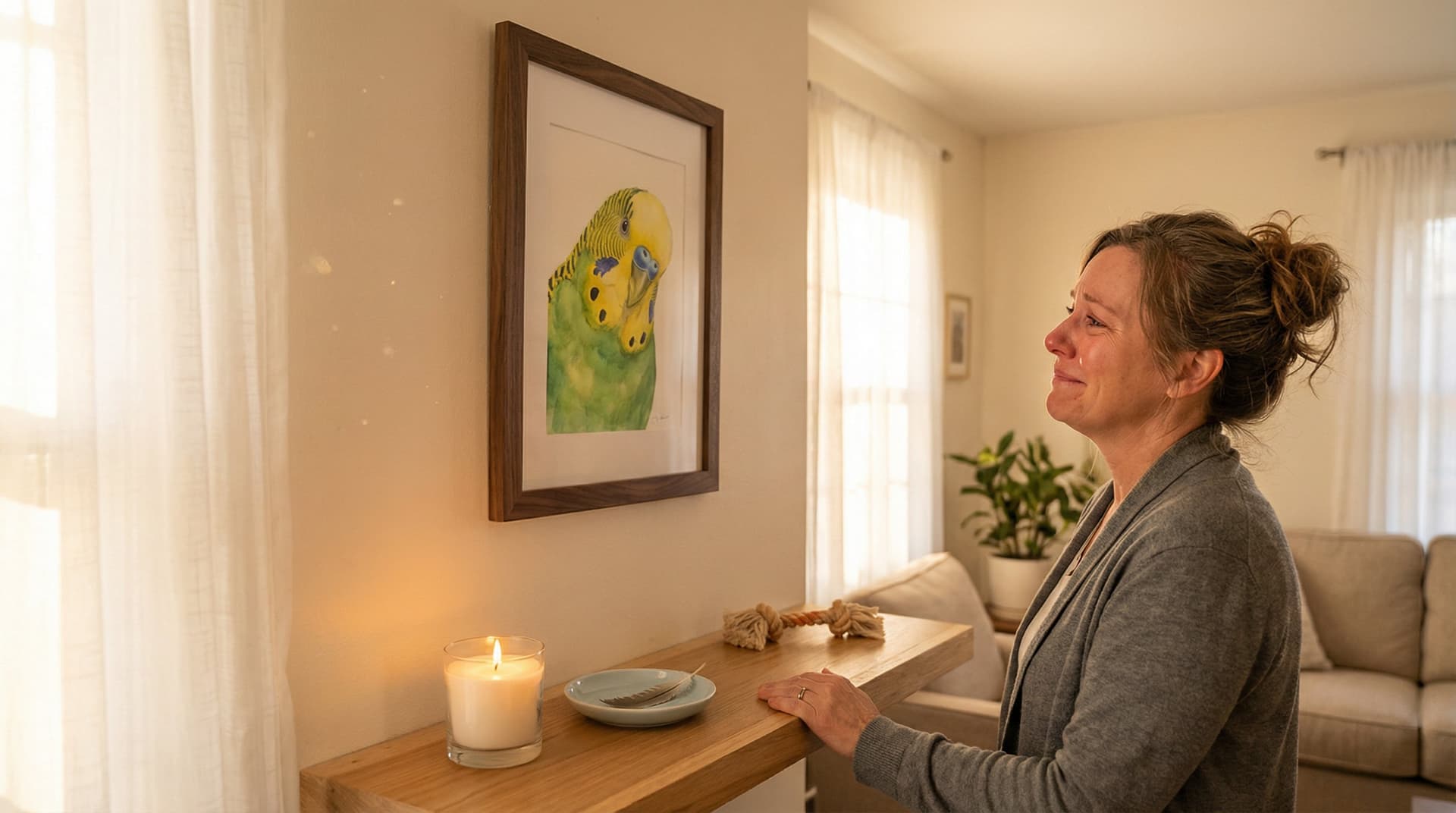
One of the most meaningful memorials we've seen? Transforming a favorite photo into a portrait. A beautiful bird art print on your wall keeps your companion's spirit alive in your home every single day.
At BirdArt.ai, we help bird parents do exactly this. Upload your favorite photo, choose from 70+ bird art styles, from watercolor to stained glass, and receive a stunning, museum-quality portrait in under 60 seconds. You get a free preview before you commit, and 20% of every purchase goes directly to bird shelters.
It's not just art. It's a way to say, "You mattered. You still matter."
Many bird owners tell us that having a personalized bird wall art piece in their living space brings real comfort during the grieving process. It becomes a conversation starter, too, a chance to share your bird's story with others who visit your home.
Plan Ahead When You Can
This part is hard to think about, but it helps: consider aftercare options before you need them. Cremation services, memorial gardens, and keepsake urns are all available for birds. Having a plan reduces the number of decisions you need to make during the worst moments of grief.
Conclusion
Losing a pet bird leaves a quiet, persistent ache. But that ache is proof of something beautiful, a bond that mattered deeply.
Be gentle with yourself. Grieve at your own pace. Honor your bird's memory in ways that bring you peace, whether that's a scrapbook, a shelter donation, or a portrait that keeps their bright eyes watching over your home. You loved them well. That love doesn't end here.
Frequently Asked Questions About Coping with Losing a Pet Bird
Why does losing a pet bird hurt so much?
Pet birds form profound bonds through daily routines, unique personalities, and long lifespans—often 30, 50, or even 80 years. When they pass, the void is enormous. Grief mirrors human loss and includes shock, denial, anger, depression, and acceptance stages.
How should I cope with losing a pet bird in the first week?
During Week 1, give yourself permission to grieve openly. Share your shock with understanding friends, say your bird's name aloud, cry freely, and create a scrapbook or photo album. Don't rush—just practice self-kindness and honor the waves of emotion.
What are healthy ways to move forward after my bird passes?
In Week 2, engage in gentle self-care: take daily walks, try new hobbies, or volunteer at a bird rescue. Remember with love rather than guilt. Healing isn't betrayal. Moving your body and channeling your love helps stabilize grief.
How can I honor my pet bird's memory meaningfully?
Create lasting tributes like shadow boxes with feathers, memorial jewelry, or written letters about their life. Many bird owners find transforming a favorite photo into bird art prints deeply comforting, keeping their companion's spirit alive daily.
Should I be concerned about my surviving birds after one passes?
Yes. Birds are social creatures and notice when flock members disappear. Maintain their routines, monitor appetite and behavior changes, and give extra attention. Clean their companion's items gently rather than removing everything at once to keep stability.
Where can I find support if others don't understand my bird's loss?
Online bereavement communities like APLB.org offer real validation from people who've experienced similar grief. Don't isolate—connecting with fellow bird lovers who understand the bond helps you feel less alone during the hardest moments.